October 2026
October Issue
Published · By Davide Solla
October held several ways of looking: Sanlé Sory’s colour portraits, Eggleston’s patient attention to the everyday, and installations that ask us to slow down. In fashion, a Roman museum, Alpine terrain and a dreamlike countryside become stages for gesture and form. From the studio, a single portrait keeps the thread close to home.
01 — Art
Colour, portraiture and moving image across London this October.
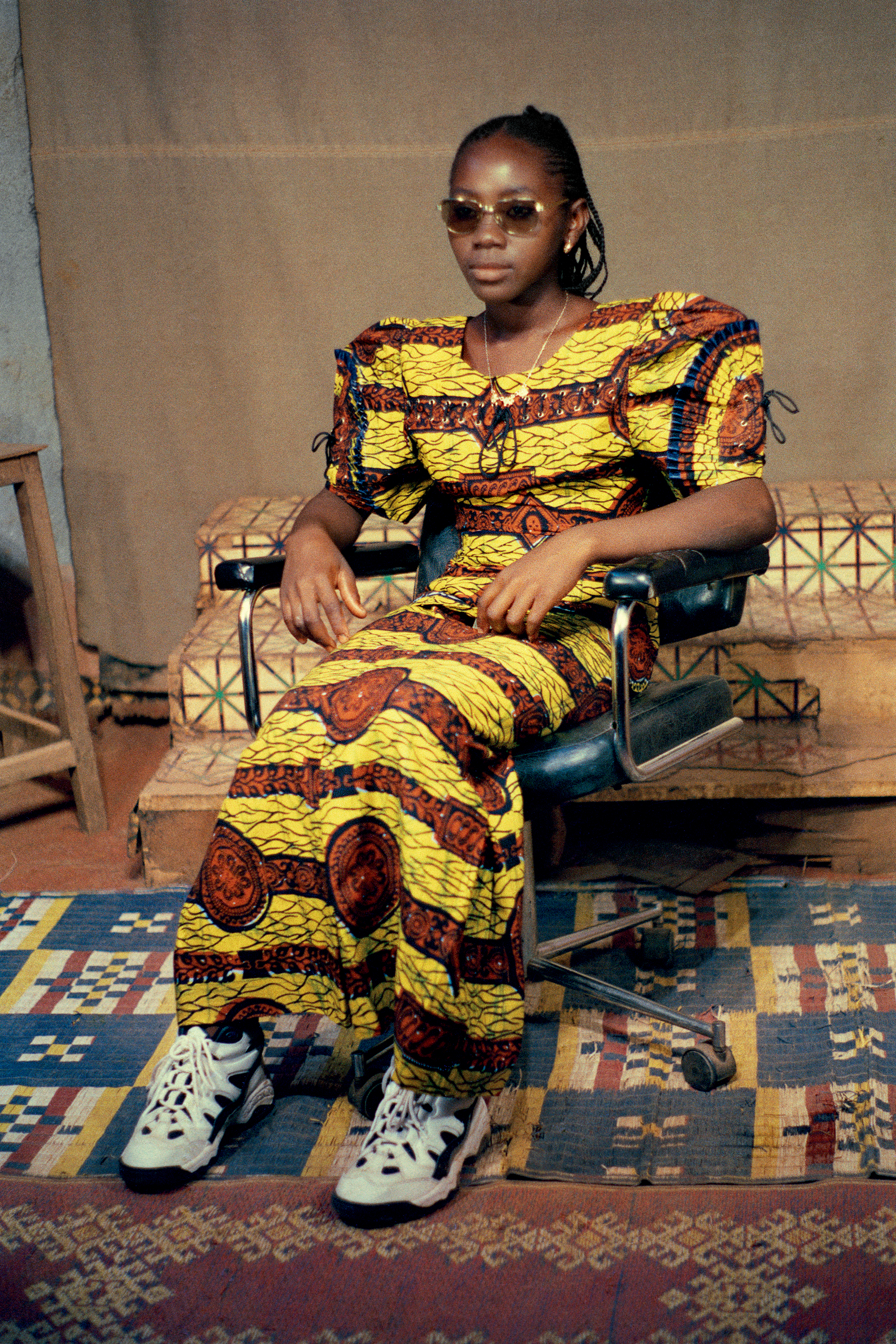
Sanlé Sory: Colour Years
Sanlé Sory’s colour work brings a lesser-seen chapter of his vast archive into view. Made from the mid-1980s in and around his Volta Photo studio in Bobo-Dioulasso, these portraits record friends, families, traders and musicians in a society reshaping itself. Restored prints sit alongside Volta Jazz sleeves, joining studio performance to the music and street life beyond it.
Why it matters visually: Backdrop, dress and pose become a shared language between photographer and sitter; colour lets the details of self-presentation speak with particular force.
View exhibitionWilliam Eggleston: All that goes unnoticed
Fifty years after William Eggleston’s Guide, this exhibition returns to his radical attention to ordinary places and objects. Familiar colour photographs meet rarely seen dye-transfer prints, plus early black-and-white and Brownie images. Diners, roadsides and domestic rooms reveal how exacting colour and framing can give an apparently incidental moment its own unsettled gravity.
Why it matters visually: It makes a case for looking longer at the unremarkable, where colour and composition can expose the tension beneath a quiet surface.
View exhibitionJustin Caguiat: Change Ringing
Justin Caguiat’s first UK institutional exhibition moves through painting, sculpture, printmaking, sound and film. Heat-sensitive pigments shift with light and temperature, while bronze bells shaped like flowers and seeds sound in changing sequences. The work reaches into Serpentine South’s architecture, making the building part of a slowly changing visual and acoustic composition.
Why it matters visually: The exhibition treats surface, light and architecture as active materials, inviting attention to how an image changes over time.
Book free entryAmar Kanwar
Amar Kanwar’s films turn Serpentine North into a darkened space for sustained looking and listening. Such a Morning and The Peacock’s Graveyard appear with the new seven-screen installation The Charcoal Man. Moving between documentary, travelogue and visual essay, the works hold histories of violence, displacement and memory in a deliberately patient, open-ended form.
Why it matters visually: Kanwar’s pacing asks the viewer to stay with an image and its silences, rather than reach for an immediate conclusion.
Book free entry02 — Fashion
Three campaigns where setting gives the clothes a narrative life.
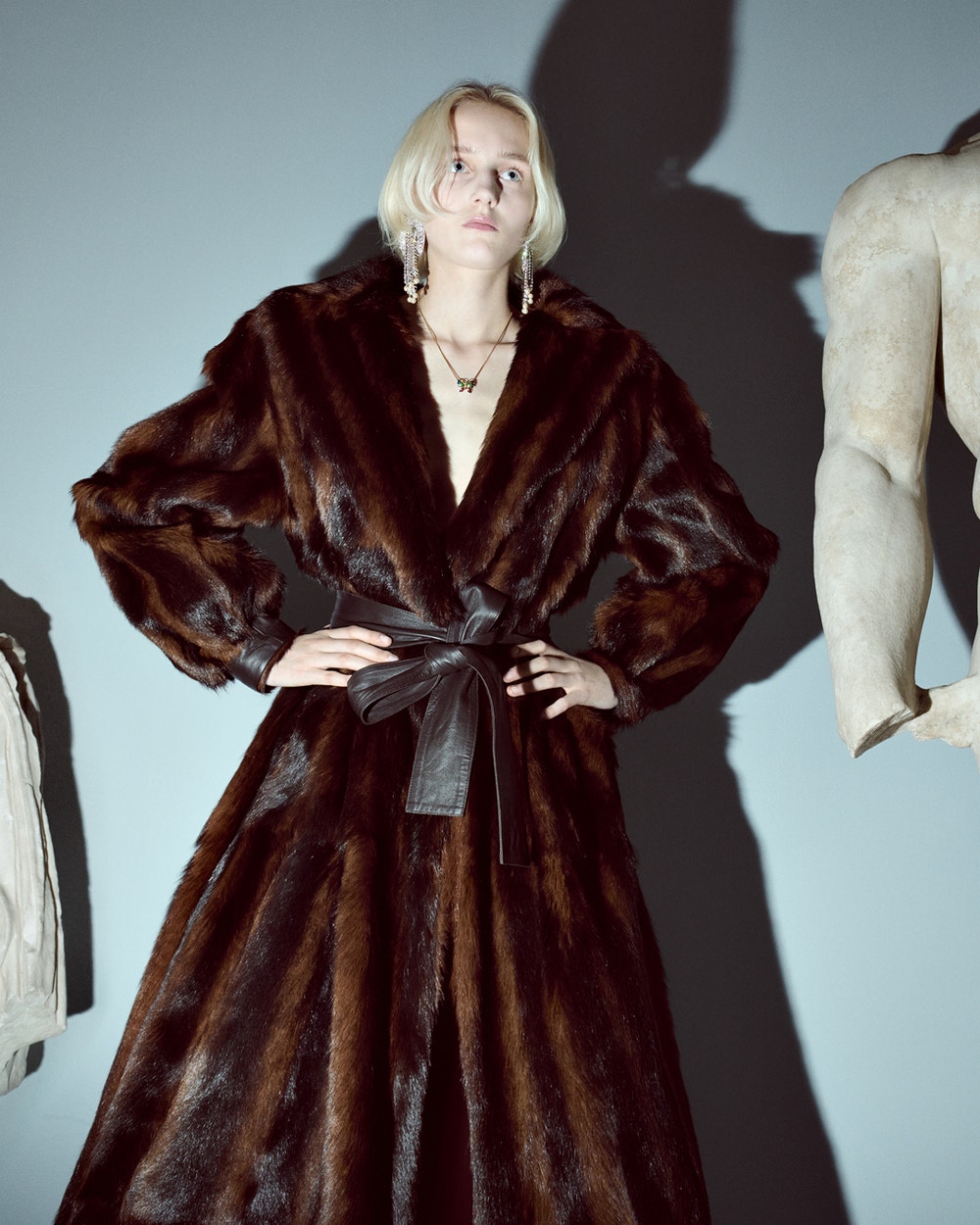
Interferenze: Ancient and Modern
Valentino places its Interferenze Fall/Winter 2026–27 campaign inside Rome’s Centrale Montemartini, where antique sculpture and industrial machinery share the same rooms. Photographed and filmed by Glen Luchford, the images make the setting more than a backdrop. Tailoring, ornament and gesture move between old stone and dark metal, allowing different scales of history to meet within a single frame.
Source visual: Official Valentino Interferenze Fall/Winter 2026–27 campaign image. Photograph: Glen Luchford.
View official source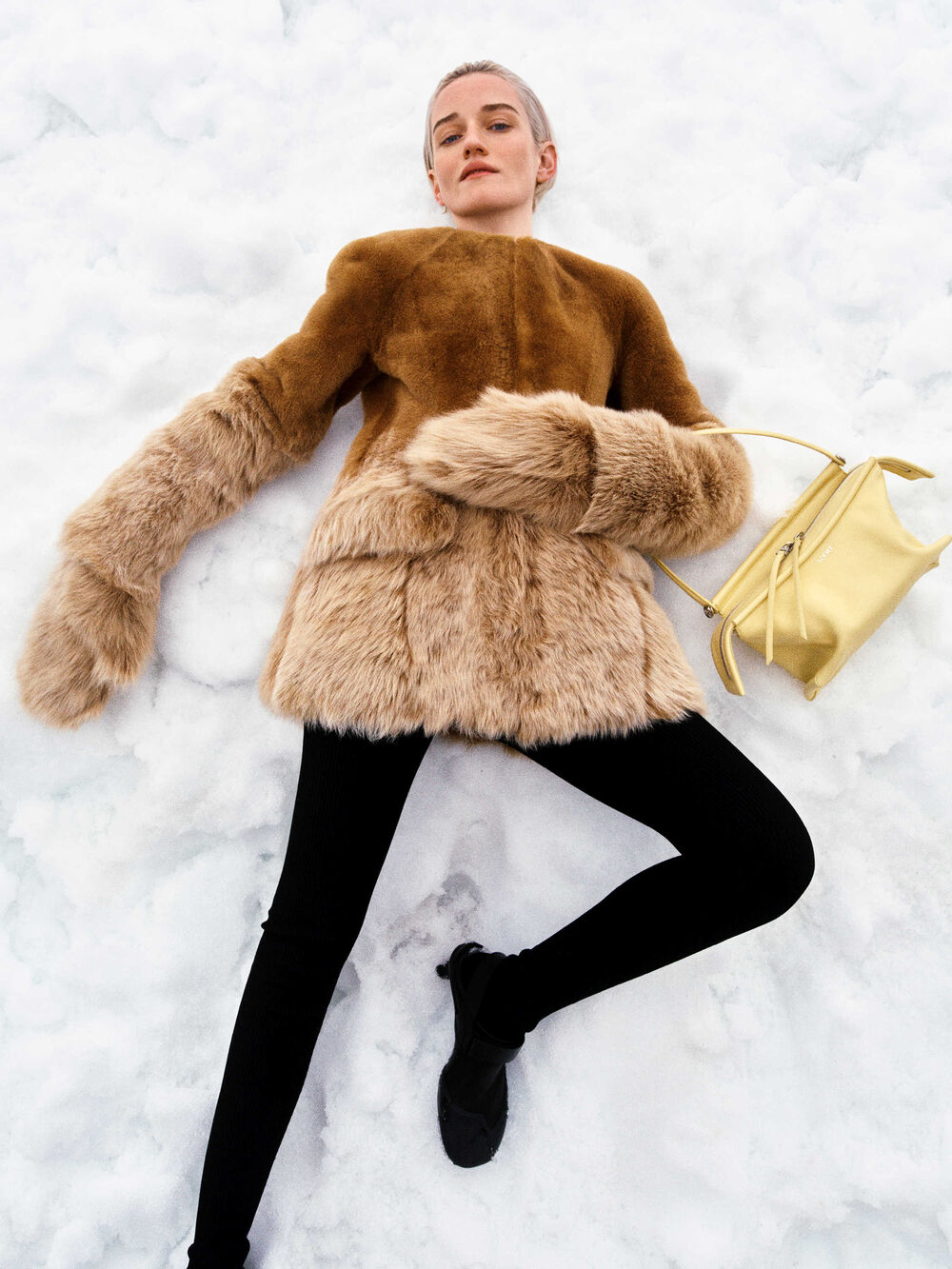
Fall Winter 2026: High Altitude
Talia Chetrit photographs LOEWE’s Fall Winter 2026 collection against the Mont Blanc Massif. Julia Garner and a wider cast move through snow and rock, where bold colour and sculptural volume meet a vast, pale landscape. The scale is theatrical, yet the images keep a sense of physical movement: clothes are seen against weather, altitude and the changing texture of the ground.
Source visual: Official LOEWE Fall Winter 2026 campaign image. Photograph: Talia Chetrit.
View official source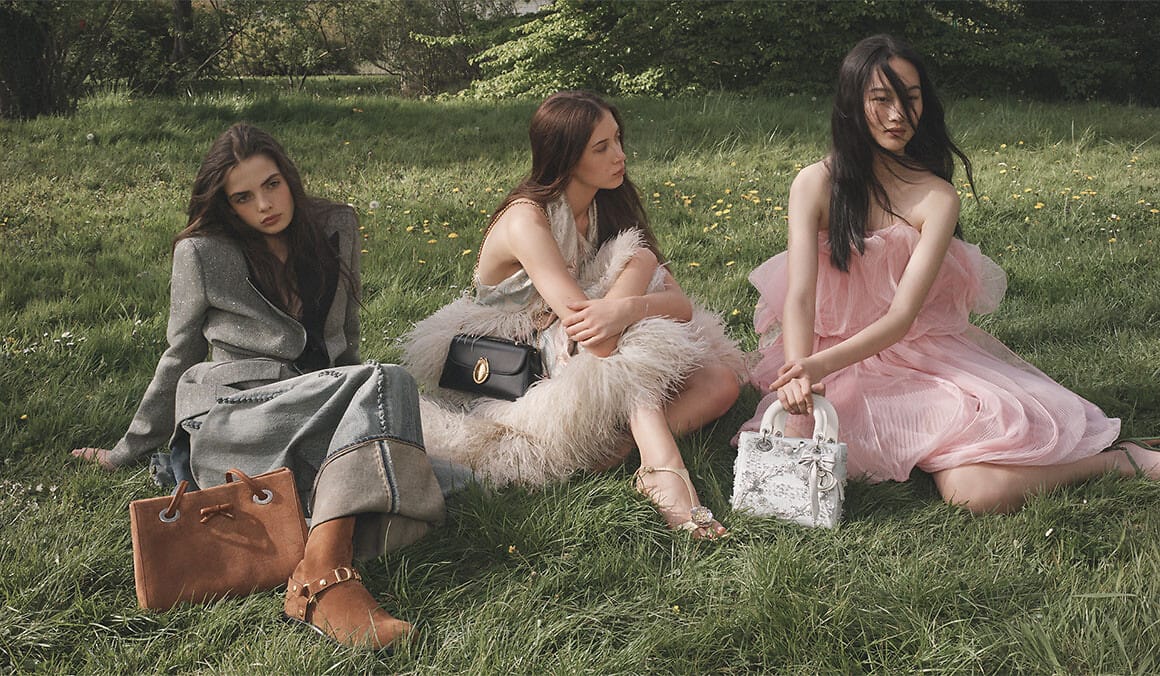
Winter 2026–2027: A Still Landscape
David Sims photographs Dior’s winter collection in a dreamlike French countryside, placing a violin, delphiniums, polka dots and check within spare, carefully composed frames. Clothing and landscape hold equal weight; the props interrupt any easy pastoral reading. There is a poised stillness to the series, but the slightly unexpected pairings keep the image alive with visual tension.
Source visual: Official Dior Winter 2026-2027 campaign image. Photograph: David Sims.
View official source03 — On the Field
A single frame from the Davide Studios portrait archive.
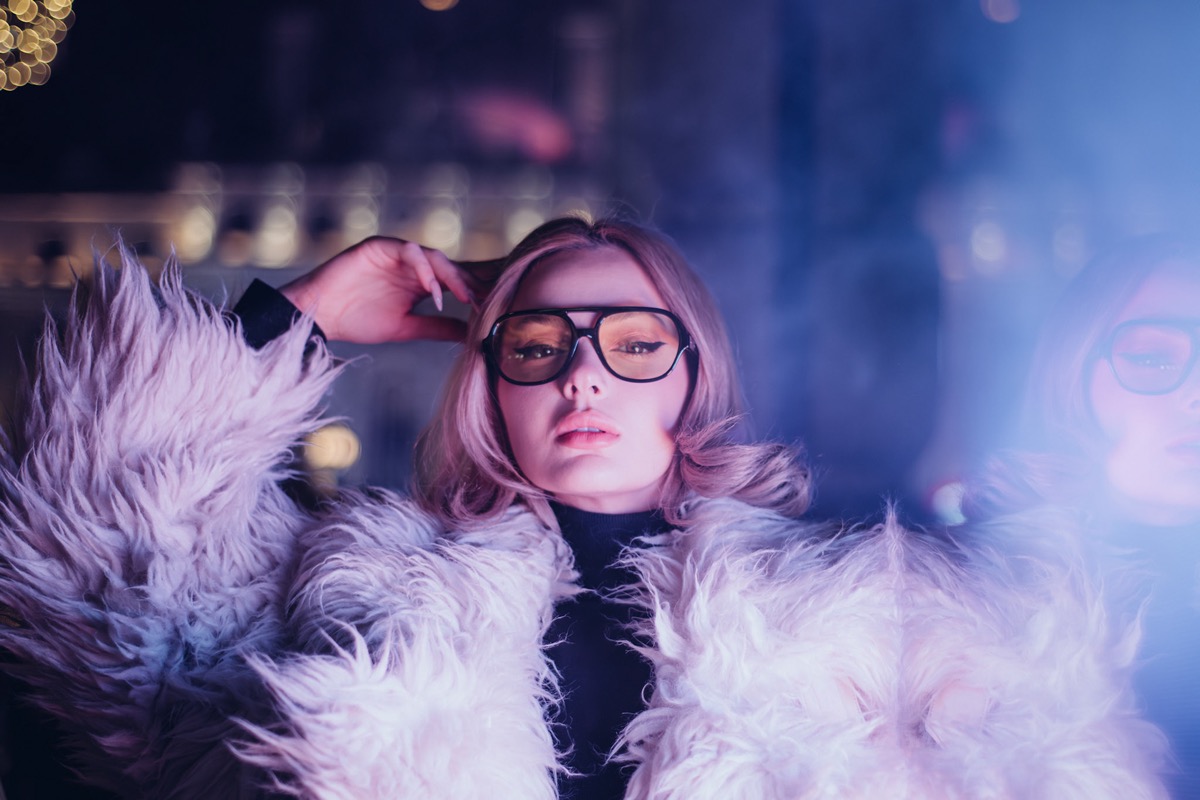
Studio note
October’s studio frame returns to the quiet exchange between sitter and light. A portrait can hold its own rhythm without a large set or a long sequence: a small shift of expression, a measured fall of shadow, and enough space for the person in front of the camera to remain present.
Explore Davide Studios