September 2026
September Issue
Published · By Davide Solla
September turns toward the constructed image: contemporary portrait painting at the National Portrait Gallery, Frida Kahlo’s passage from artist to global icon, and fashion campaigns built from archive, psychological tension and architecture. On the coast of Portugal, Dreamland follows a quieter movement between sunlight, rock, tide and the changing silhouette of a figure.
01 — On the Field
Field Notes from the studio: a coastal portrait sequence moving from bright stillness into shadow and motion.
Dreamland: Tide, Light, Silhouette
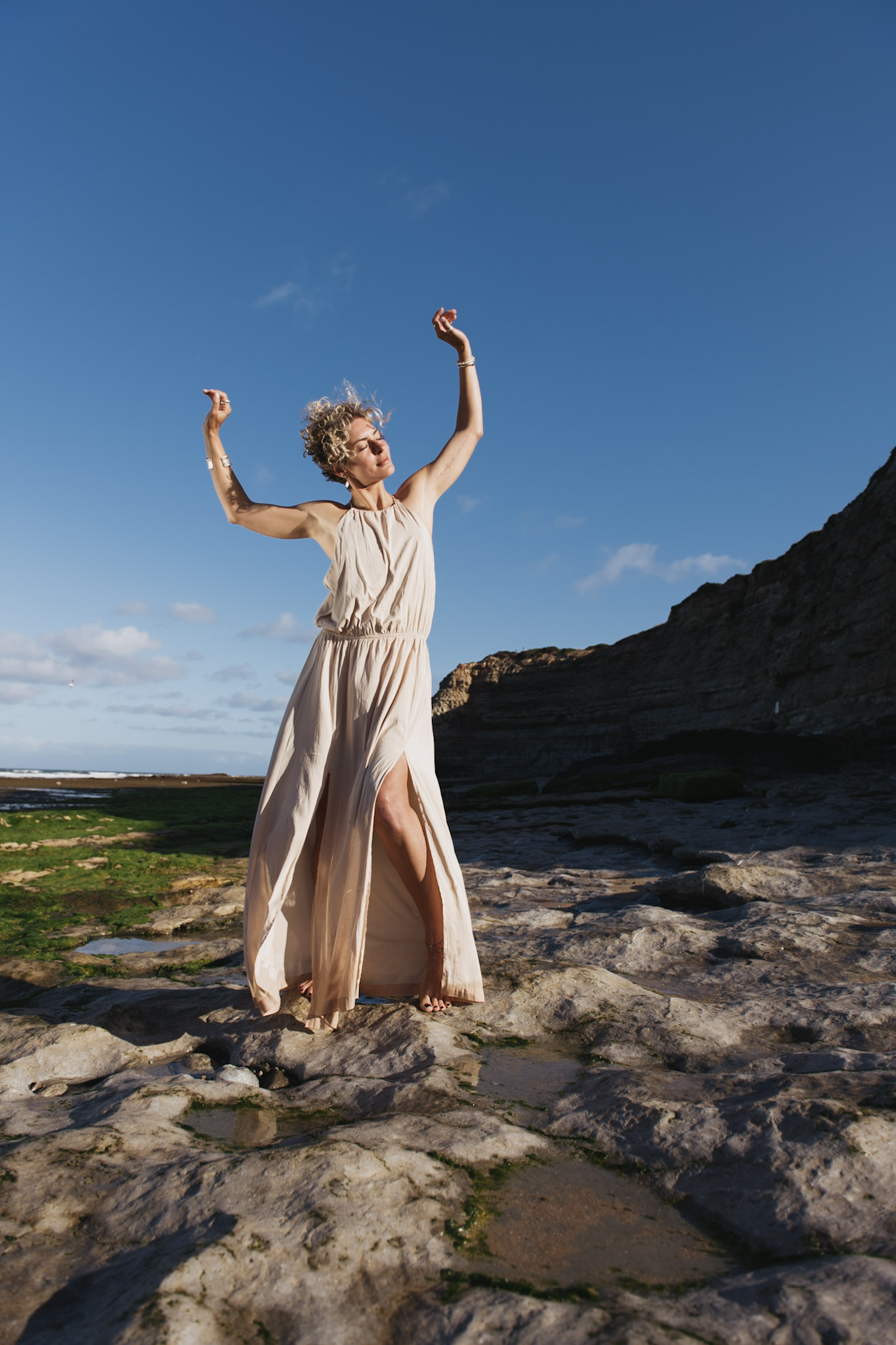
Dreamland was photographed on the Portuguese coast, where the landscape offered two different emotional registers within the same afternoon. The opening frames hold the subject in warm light and pale fabric, close to the rock and water, with gestures that feel quiet and almost suspended.
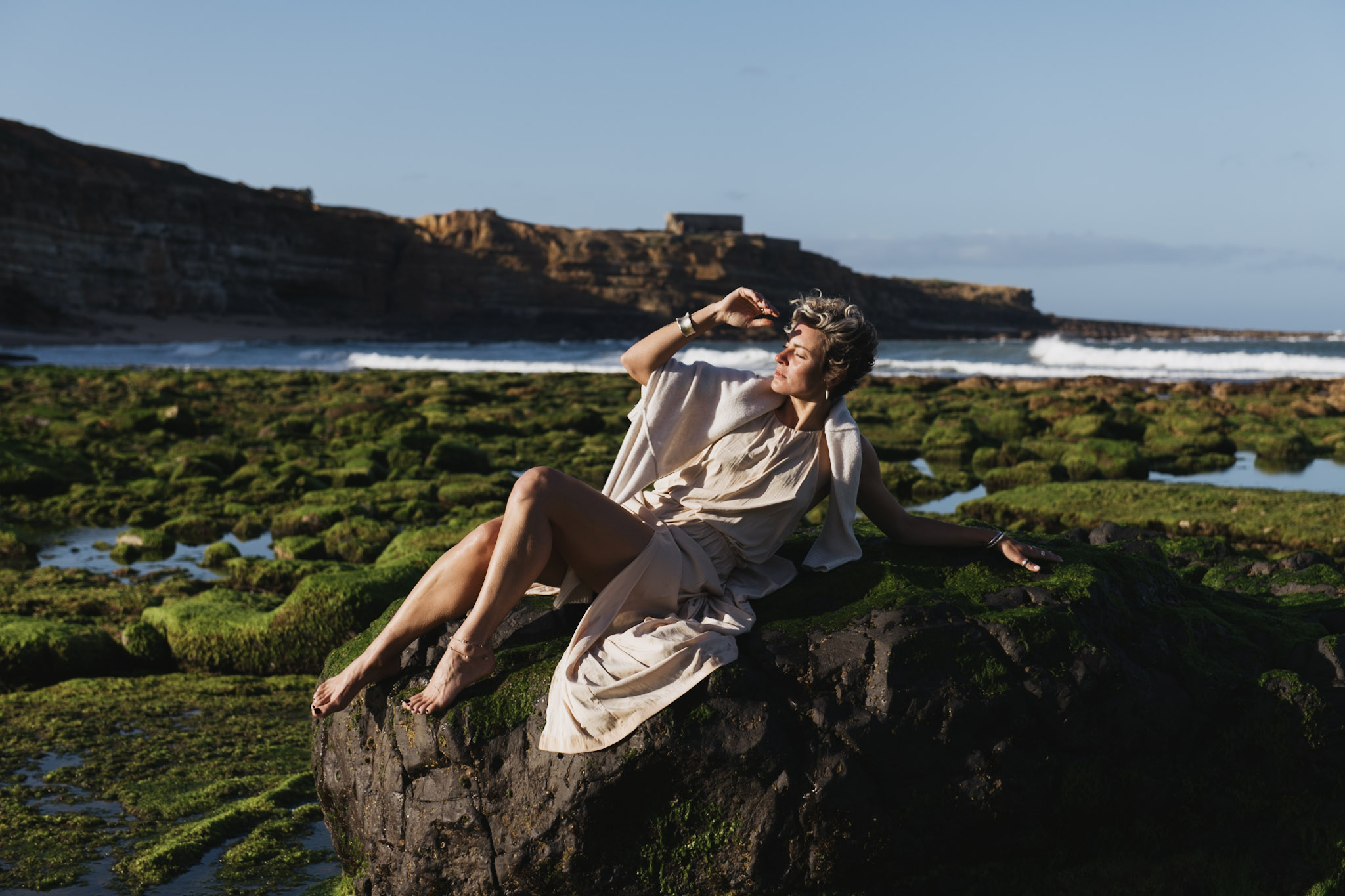
The coast is not treated as scenery. Tide pools, stone and open sky give the body a changing scale: intimate in the close portraits, then smaller and more exposed as the frame opens toward the Atlantic.
As the wardrobe turns black, the sequence becomes more graphic. Fabric catches the wind, the figure separates from the sand and cliffs, and movement replaces the earlier stillness without losing the sense of concentration.
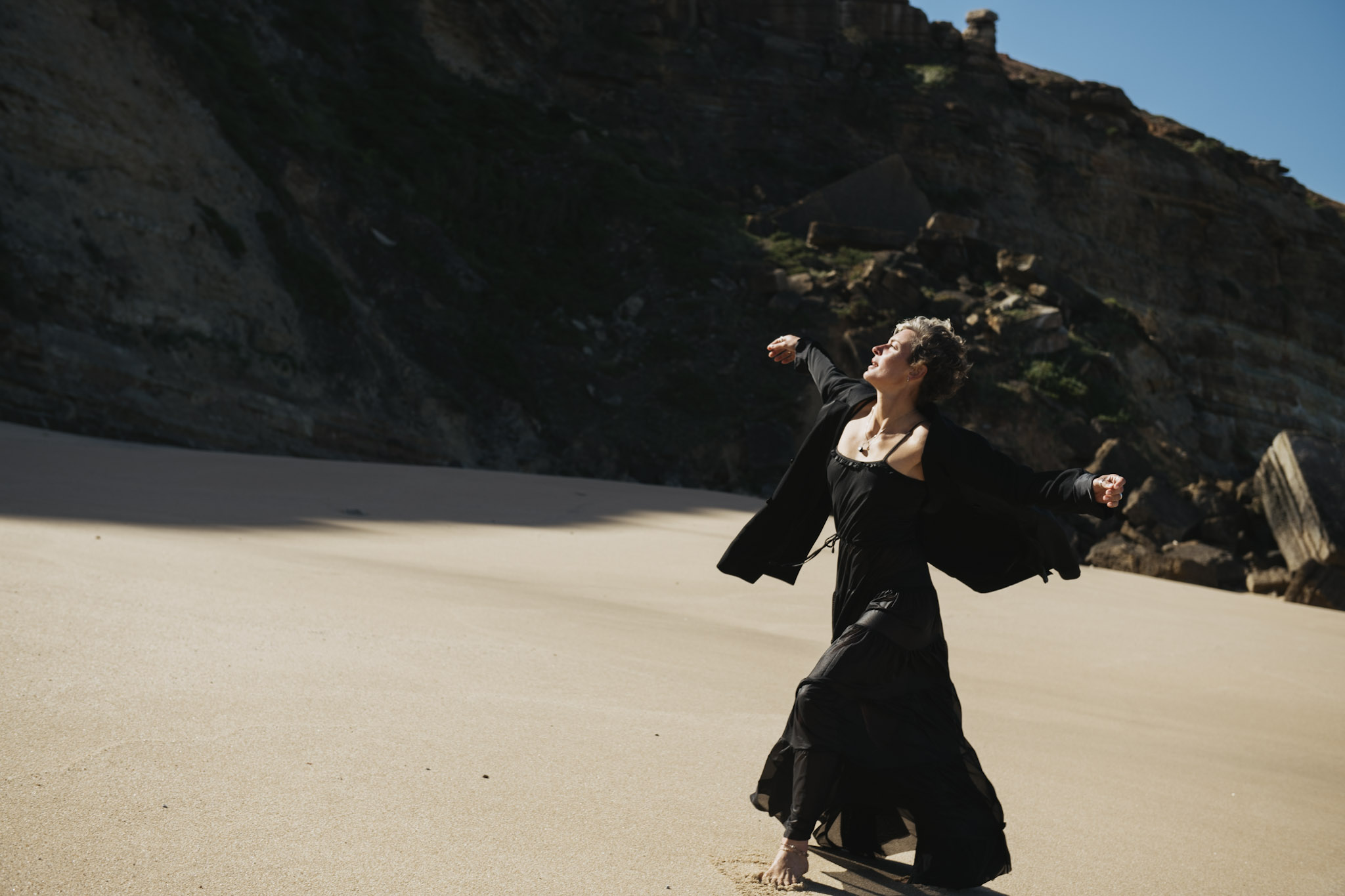
The edit moves from ivory to black, repose to motion, and portrait to silhouette. The transition is gradual, allowing light and distance to carry the narrative rather than forcing the landscape into a postcard or the subject into a fixed character.
02 — Art
A London-facing edit for portraiture, photography, contemporary art and the changing language of images.

Herbert Smith Freehills Kramer Portrait Award 2026
The annual award brings together contemporary portrait painters working across classical observation and more experimental approaches. This year’s prize winners range from Marc Dalessio’s direct, dark-toned Jean-Denis to Michael Slusakowicz’s chromatic double portrait Charlie and Magda, showing how pose, surface and psychological distance can shift the way a sitter occupies the frame.
Why it matters visually: For photographers, the exhibition is a concentrated study in how expression, gesture, colour and background can build a portrait before technique announces itself.
View exhibitionFrida: The Making of an Icon
More than thirty works by Frida Kahlo sit alongside photographs, garments, personal objects and the work of later artists to examine how a painter became a cultural symbol. The exhibition follows the tension between Kahlo’s self-authored identities and the commercial afterlife of her image across politics, fashion, fandom and popular culture.
Why it matters visually: It asks a useful image-making question: when does a portrait remain a person, and when does repetition turn it into an icon or a product?
Book ticketsTim Walker’s Fairyland: Love and Legends
Opening in October, Tim Walker’s new exhibition turns portraiture toward folklore, theatrical invention and collaborative world-building. The advance programme positions the show around love, legends and the imaginative spaces created between photographer, sitter, costume and set — a timely preview for anyone interested in fashion imagery as narrative construction.
Why it matters visually: Walker’s practice treats the set as a psychological space, offering a counterpoint to minimal portraiture and a lesson in building images through atmosphere.
Book ticketsThe Evolving Studio: Artists Working with Technology
This one-day programme brings together a new generation of artists using technology as part of creative practice. Talks, demonstrations and participatory work focus attention on how tools reshape process, collaboration and authorship — not as a separate digital category, but as material that now sits inside the contemporary studio.
Why it matters visually: For photographers navigating AI and computational tools, the event frames technology through artistic intention, process and authorship rather than novelty alone.
View programme03 — Fashion
Three autumn campaigns selected for their use of character, archive, architecture and controlled cinematic tension.
Autumn Winter 2026: The Artifice Undone
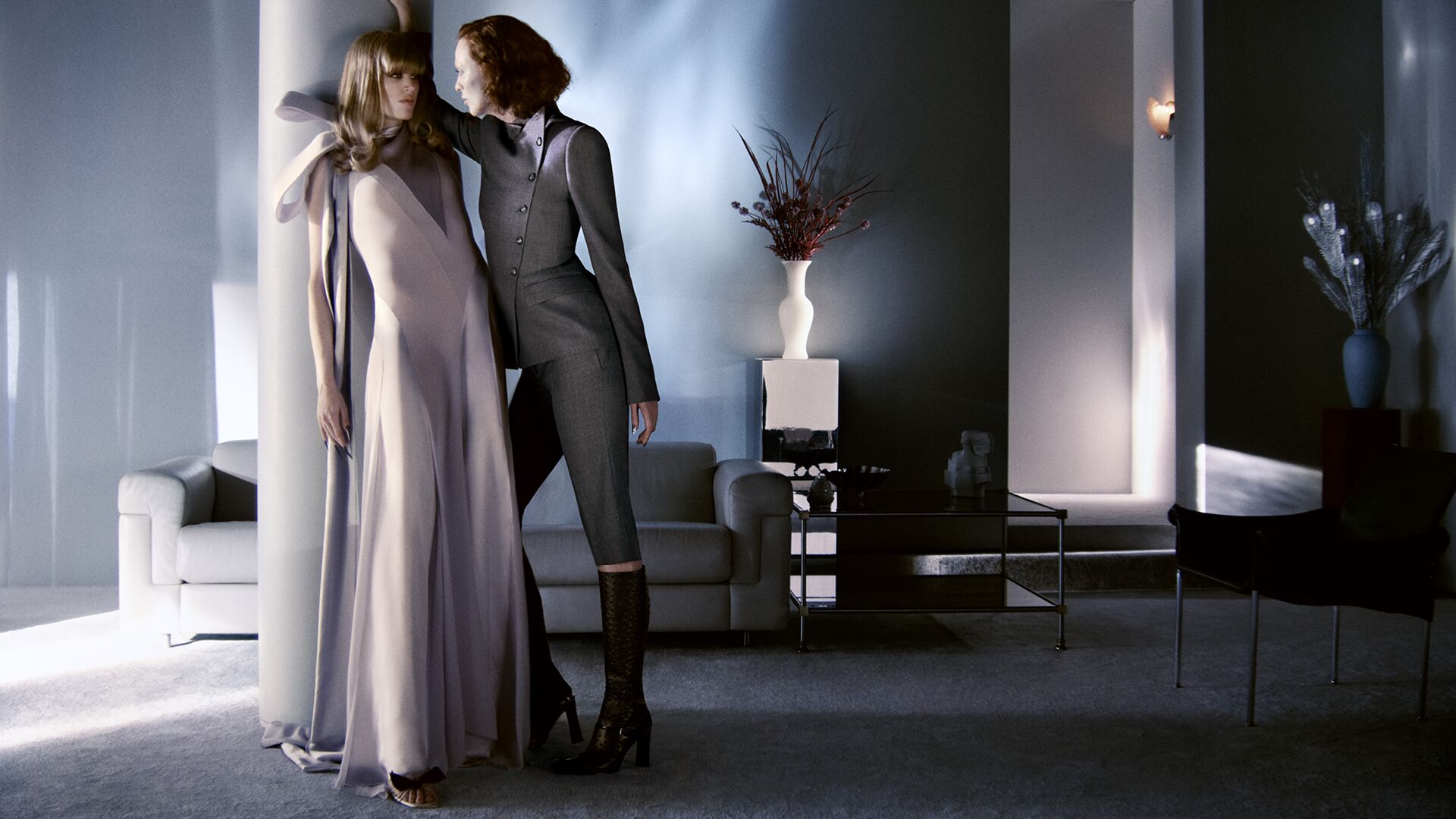
Photographed and directed by Glen Luchford, McQueen’s campaign moves between a meticulously controlled facade and something more tactile beneath it. Karen Elson, Paloma Elsesser, Jacqui Hooper and Xiao Wen hold the frame with confronting stillness while noir light, cinematic staging and sharp tailoring turn the image into a study of performance, interiority and the moment control begins to fracture.
Source visual: Official McQueen Autumn Winter 2026 campaign image. Photographer and director: Glen Luchford.
View official source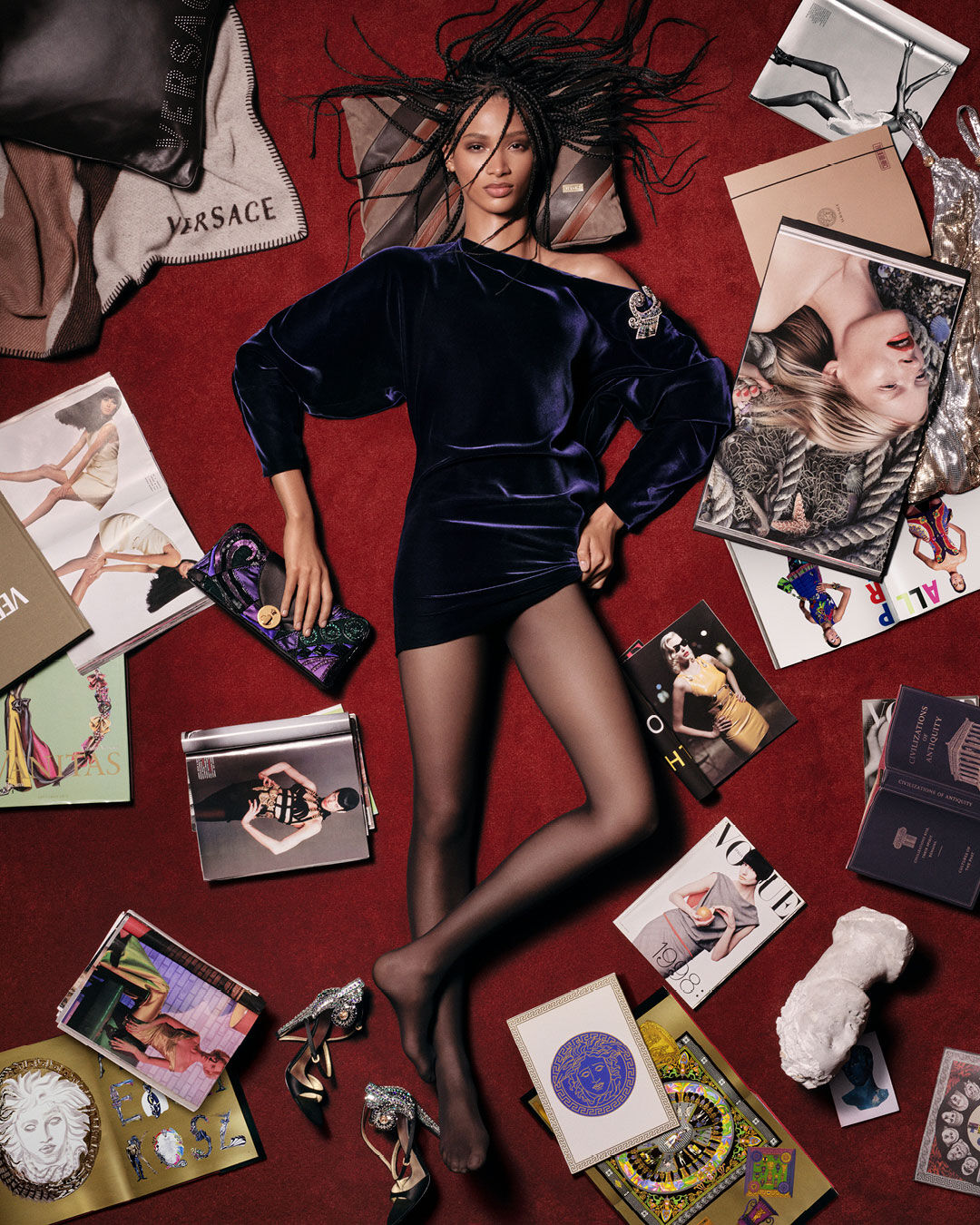
Versace Obsessed, Chapter II
Versace builds its Fall Winter campaign as a collision between present bodies and the house’s own visual archive. Historic Steven Meisel imagery, magazines and unseen objects sit beside leather, gold, Medusa and Greca motifs. The result is less retrospective than charged collage: glamour and grit, classicism and street language, photographed as inheritance that remains active rather than sealed behind glass.
Source visual: Official Versace Fall Winter 2026 campaign image from the House campaign page.
View official source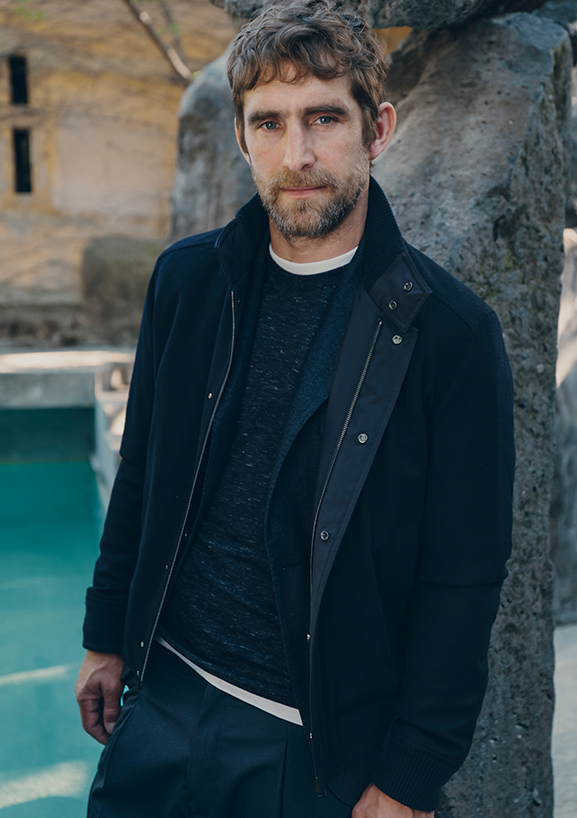
Elements in Motion
Charlotte Lapalus photographs Paul & Shark at Casa Corberó, using the building’s monumental concrete forms as more than a backdrop. Arches, planes and passages give the clothes a measured rhythm, while movement keeps the architecture from becoming static. It is a useful lesson in location-led fashion imagery: the setting provides structure, but the subject still carries the frame.
Source visual: Official Paul & Shark Fall/Winter 2026 campaign image. Photographer: Charlotte Lapalus.
View official source